Getting a Game Back on Track
Role: Art Director | Everi | Art Direction, Visual Development, Creative Review, Team Leadership
Challenge
One of the interesting things about being an Art Director is that you don’t always get to start at the beginning.
Sometimes a game is already well underway when it becomes yours. The team has spent months working on it, decisions have been made along the way, and everyone involved has gotten very used to looking at what’s there.
Then you come in with a fresh set of eyes and see where things are heading, and think
…oh dear.
That doesn’t necessarily mean the work is bad, or that the people making it aren’t talented. Games drift, small decisions compound. Sometimes the original direction just isn’t landing the way everyone hoped it would.
It’s easy to come in, point, and say “something needs to change” –
what’s harder is communicating what that actually is.
That’s where an Art Director comes in. We figure out what’s not working, what still is, and how to help the team make the correction without turning the whole thing into a demolition project (cue the Miley Cyrus song).
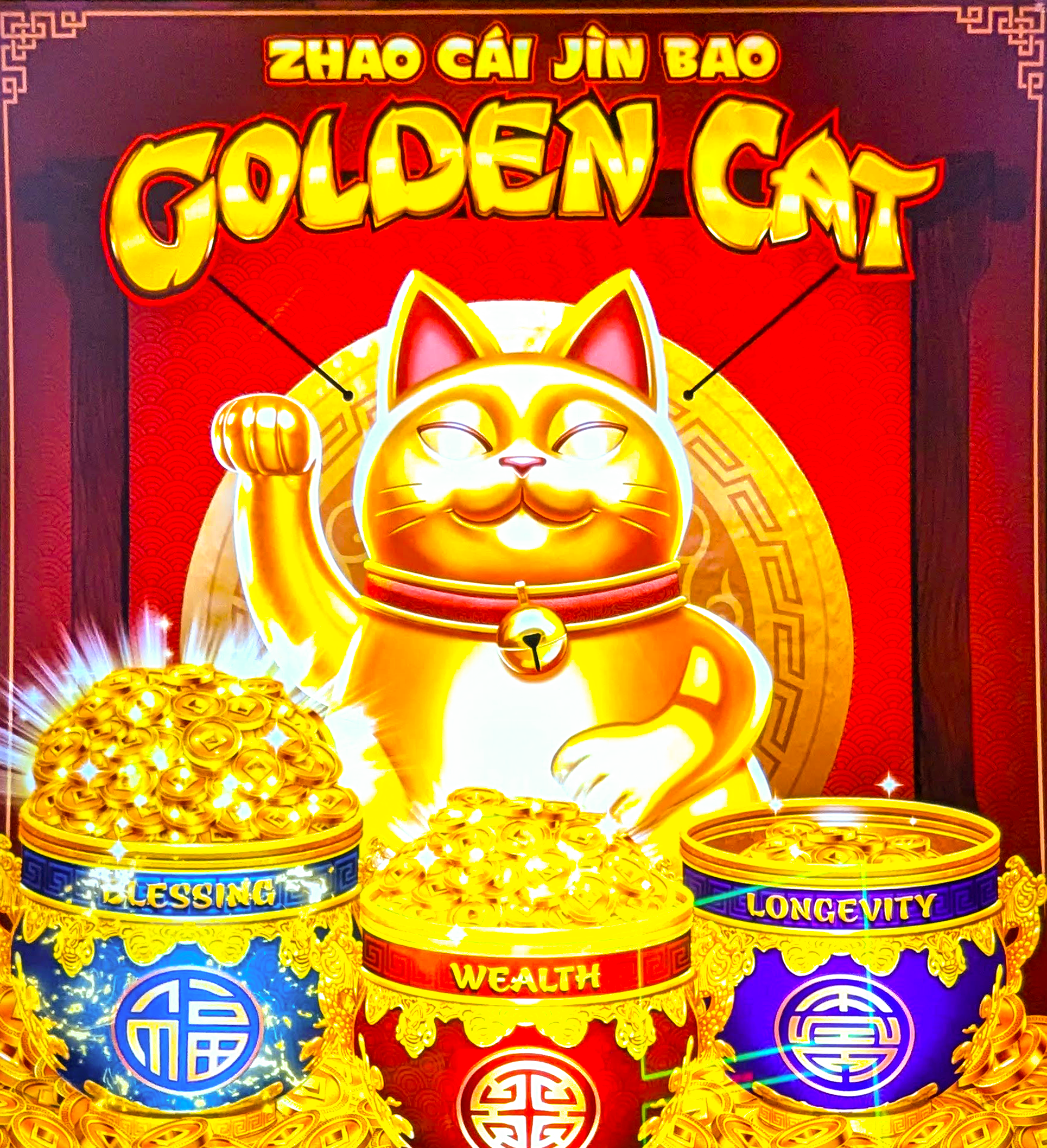
Final/Near Final Version
Golden Cat – A Mid-Flight Recovery
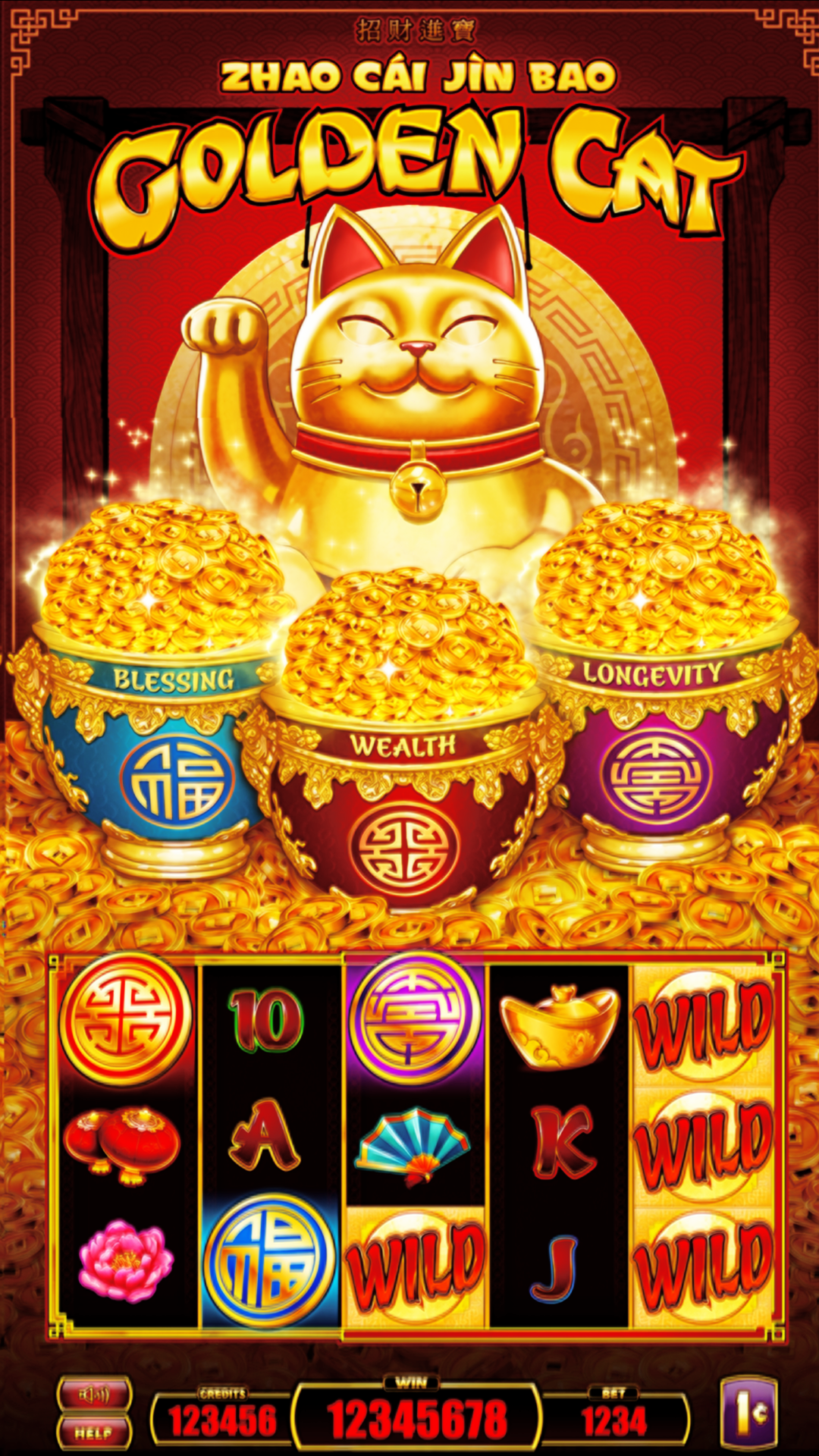
When I became the Art Director for a second studio (Everi’s Studio 7 in Austin), Golden Cat was one of the first games I inherited. The game was approaching a major milestone, that if passed, would indicate that the team was green-lit to move onto polish and finishing.
At first glance, I knew it was going to need some fairly significant changes.
I had a talk with the game designer and lead artist, seeking to understand what journey the game had been on, the reasoning behind their choices, and what the goals were for the game.
Golden Cat was supposed to be a volatile, traditional Chinese game. My time spent living in China and having made plenty of Chinese themes in the past made it a subject that I was very confident in.
The direction just wasn’t hitting the mark. The colors and golds were muted and muddy. The cats had drifted into cartoon territory, and the firework rocket accumulators weren’t gelling with the theme.
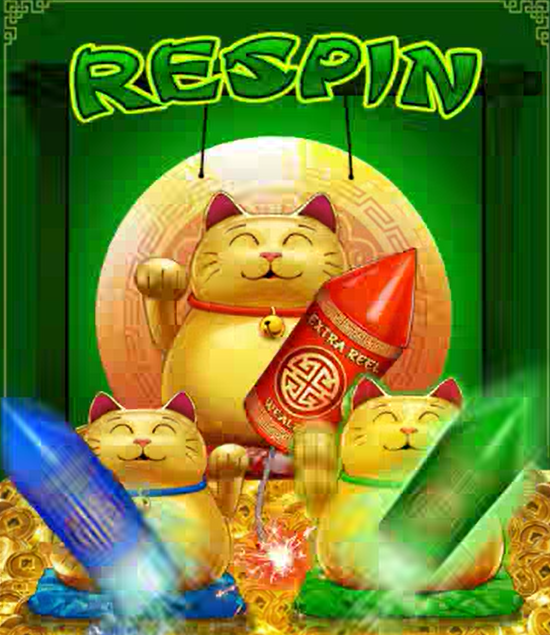
There was a companion traditional Chinese theme being developed alongside it as well, and although that game wasn’t working as a whole, several of its symbols were actually stronger.
Plant the Flag & Keep What Works
As their new AD, I needed to establish the quality bar, show that I would advocate for the team, and build trust that my feedback would help get us through the rocky shoals of development.
Even though it was difficult, I told the team that we’re going to need to rewind a bit, and take another swing at some major game elements. A big part of my work here was communicating what I thought was holding the game back, and why.
Keep what works. Redo what must be. Refine the rest.
I also reassured the team that not everything needed to be redone – there was plenty of fine work that could remain in place and be polished up later. This is usually the case with any game redirection, although there are rarer times where a fresh slate is called for too.
I asked the team to explore with me and see what worked. I knew the direction needed to change, but I didn’t want to dictate every answer.
My job was to be clear about the problem, the goal, and the boundaries; the team should still have ownership over the decisions inside them. You get better buy-in, better ideas, and a happier team that way. I could help curate the ideas like a gardener pruning and supporting different branches of thought. We ended up combining the best parts of both themes, and redoing the main character and accumulators.
Basically, we took a big step back and asked “What is the real appeal of this game, and how can we lean into that?“
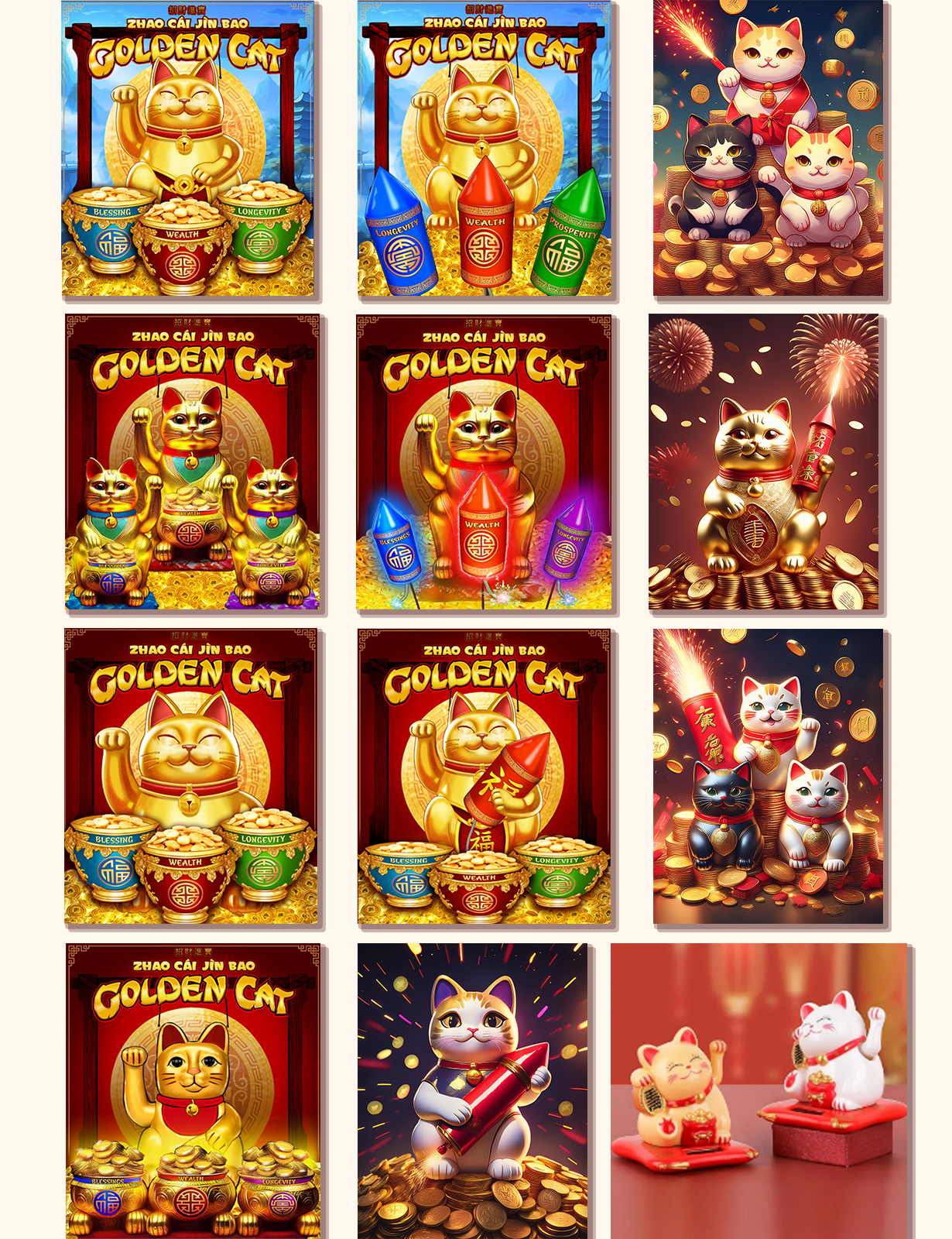
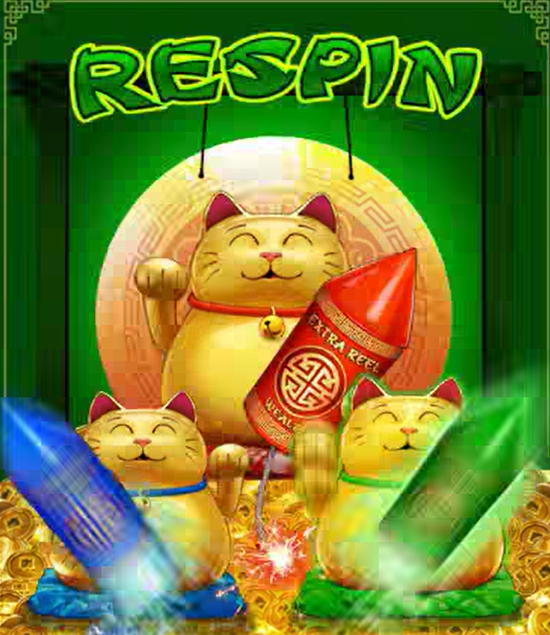
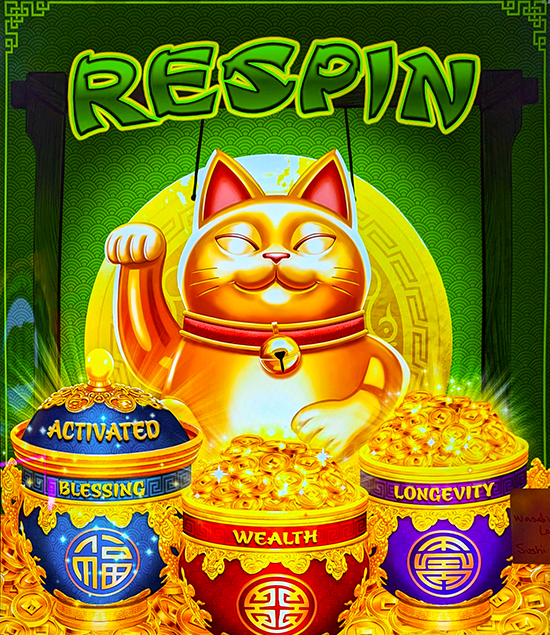
Once that was clear, each individual decision became a lot easier, and the team coalesced around a refreshed, united vision of the game. I helped point out the destination, but it was the artists who got us there.
A good art leader doesn’t solve every challenge for the team. They direct.
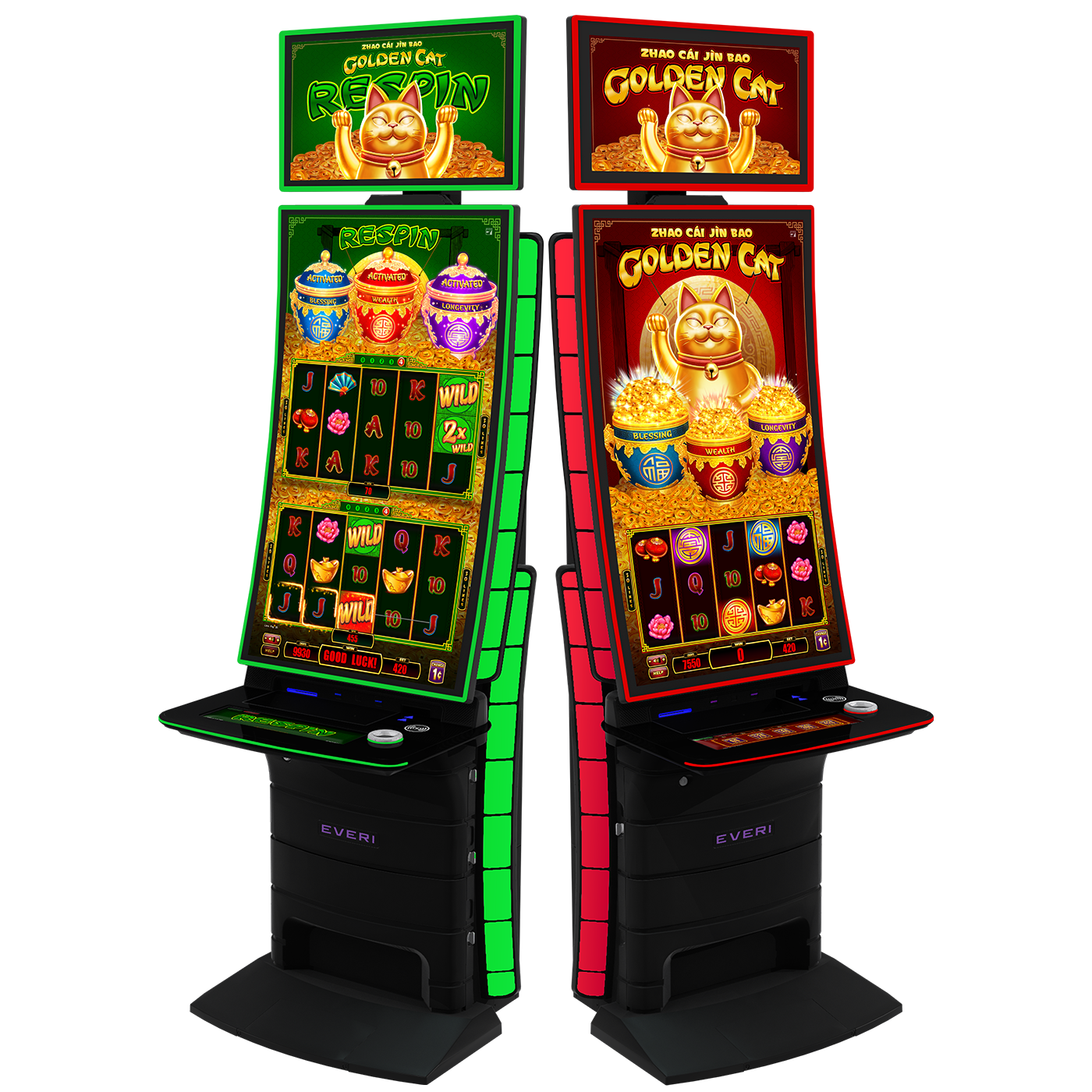
The game released and performed respectably. It wasn’t a runaway hit, but considering where it was when I came onto the project, I was proud of where the team got it. And more than that, I came away from this game with a better relationship with that lead artist. It took us some time to figure each other out, but through the challenge of Golden Cat, we learned how to work together as a new team. I came to rely on that lead greatly in the years after.
Jackpot Express – Catching It Earlier
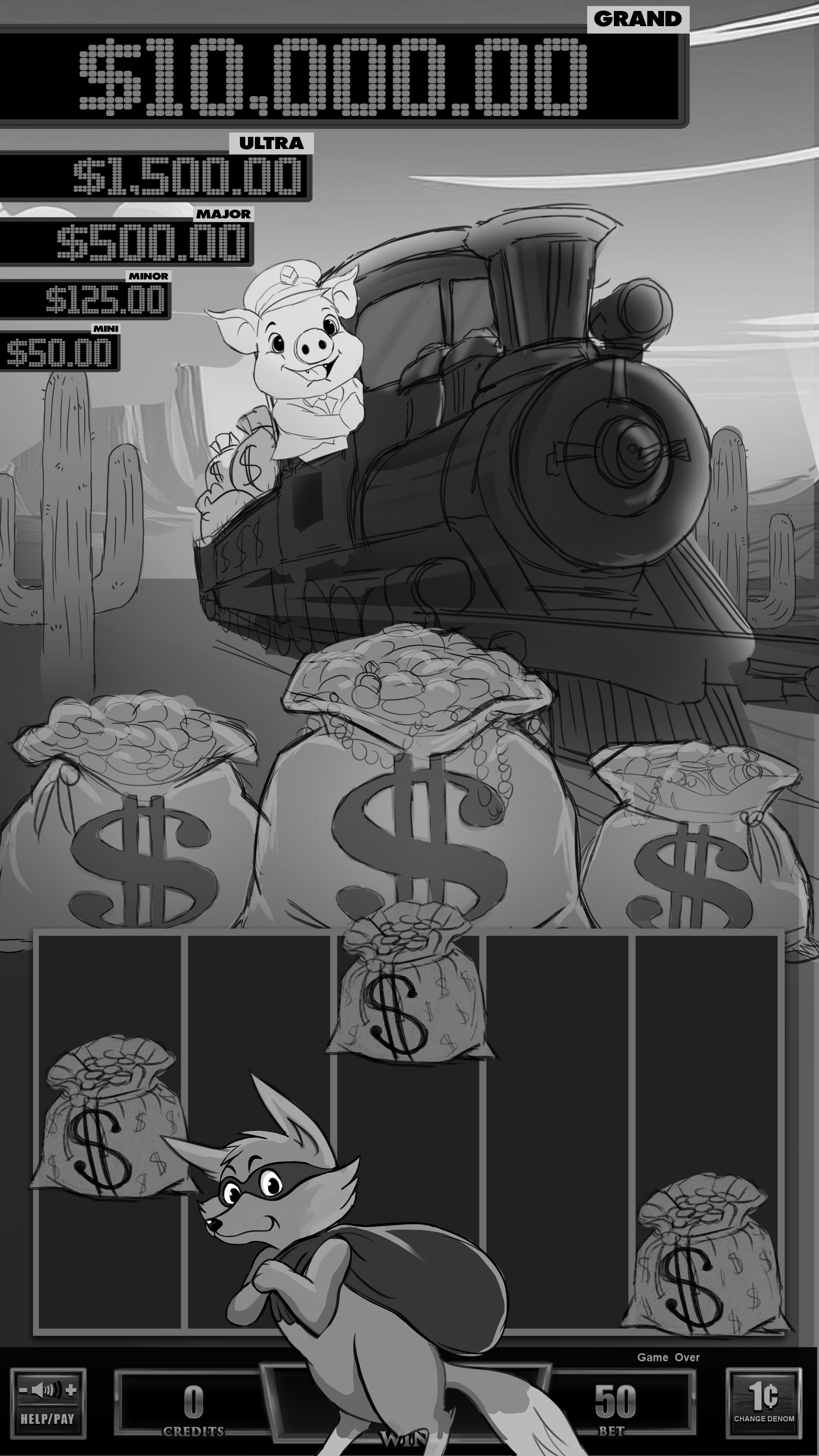
Jackpot Express was another game that needed a visual reset, roughly around the time period that I was rescuing Golden Cat – but luckily this game was just coming to the end of preproduction. The concept art all had a dark, semi-realistic, 3D, “Murder on the Orient Express” feel to it. Which, to be honest, was cool. I loved it as a mood, but not as a slot.
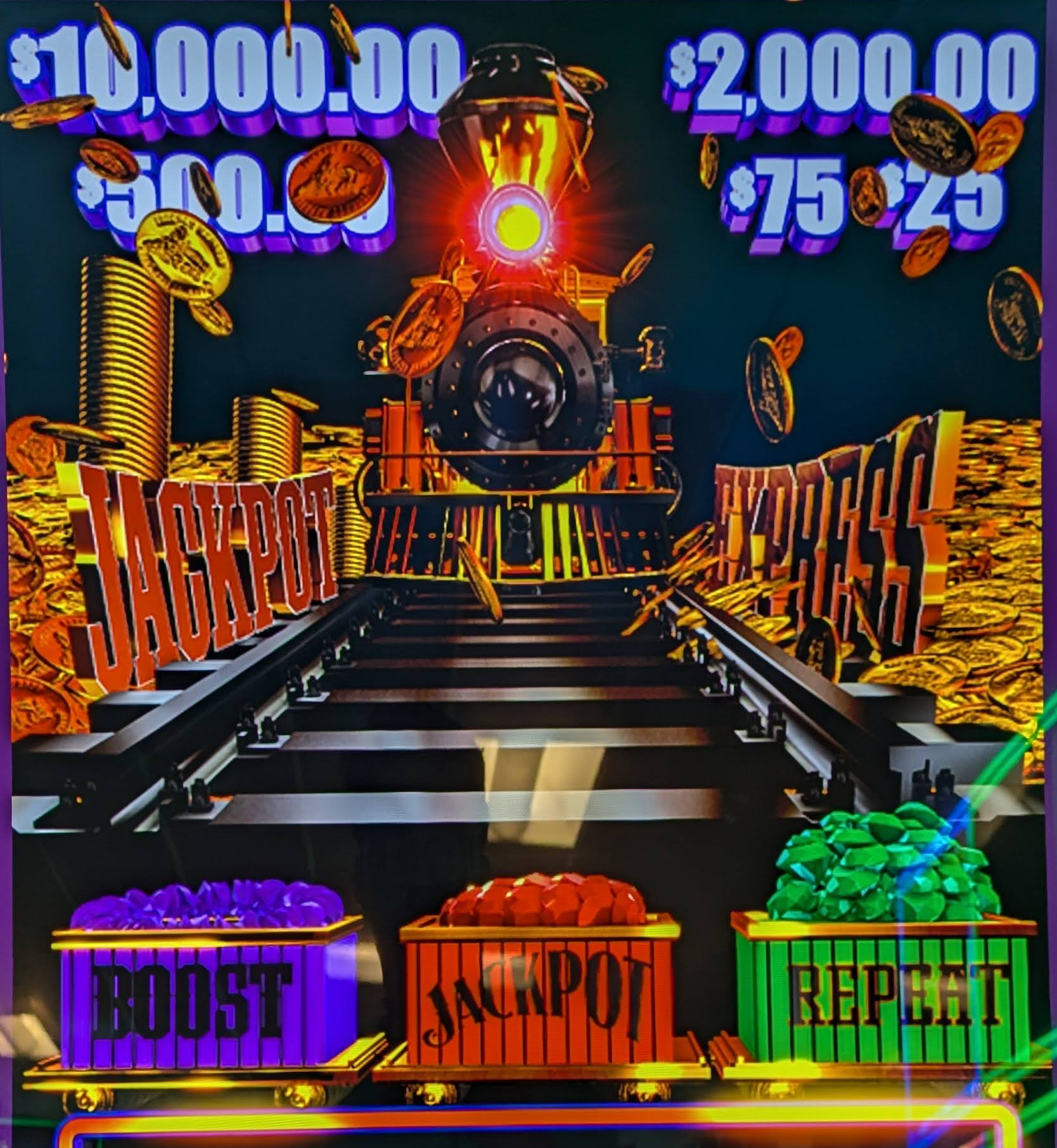
To be competitive in the current casino market, I knew it needed to be more fun, charismatic, and bombastic. It needed brightness and personality. It also had unique game design challenges. 3 pots = 3 trains? Giant wheels on the train carts in the bonus? We’ll try it out… but what if we take the underlying premise, and rethink the visual presentation for a clearer, more thematic, & exciting experience for the player?
We went back to the drawing board while it was still cheap.
I synced up closely with the game designer and the artists, and we started exploring again. This also happened right when generative AI was first becoming genuinely useful to us, so the main artist and I used it to tear through art styles, palettes and ideas much faster than we normally could. Granted, our “Pig Engineer” was still coming out as an engine. Baby steps.
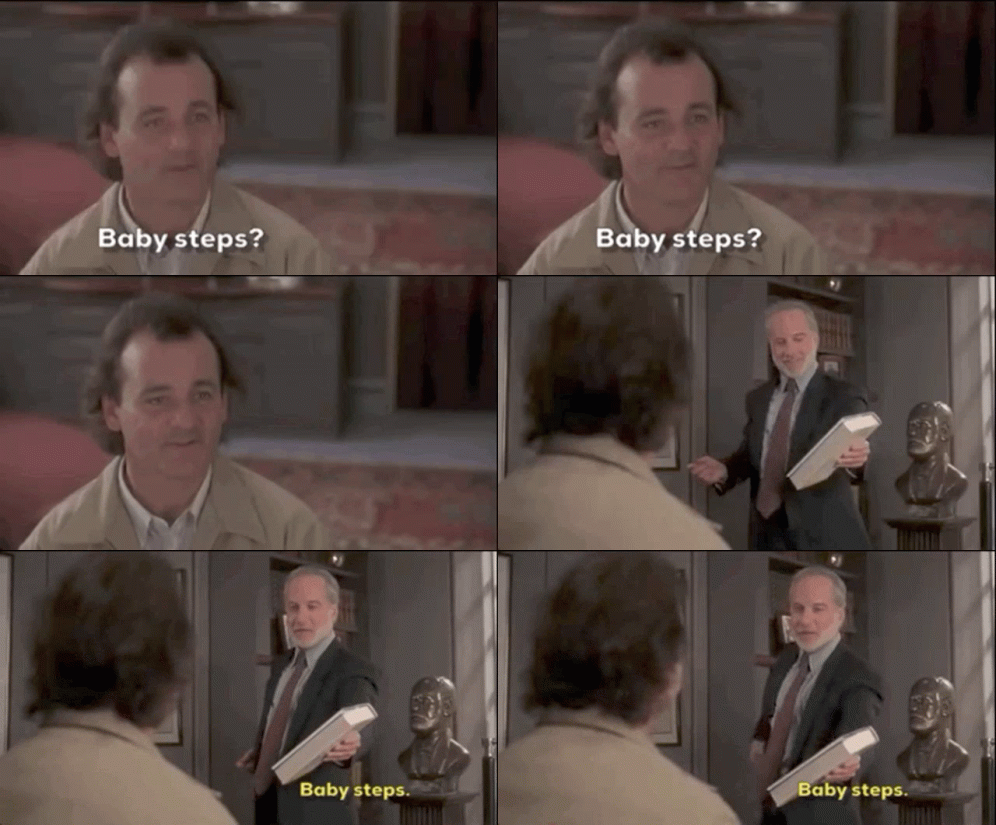
I go into more detail on our AI process in Start With Art, but to summarize, we used AI to find the right visual neighborhood early, before the team had spent months producing the wrong game. I encouraged exploring in wildly different directions, and let the team discover what was sticking within my given parameters. Charismatic character, bright, and whimsical.
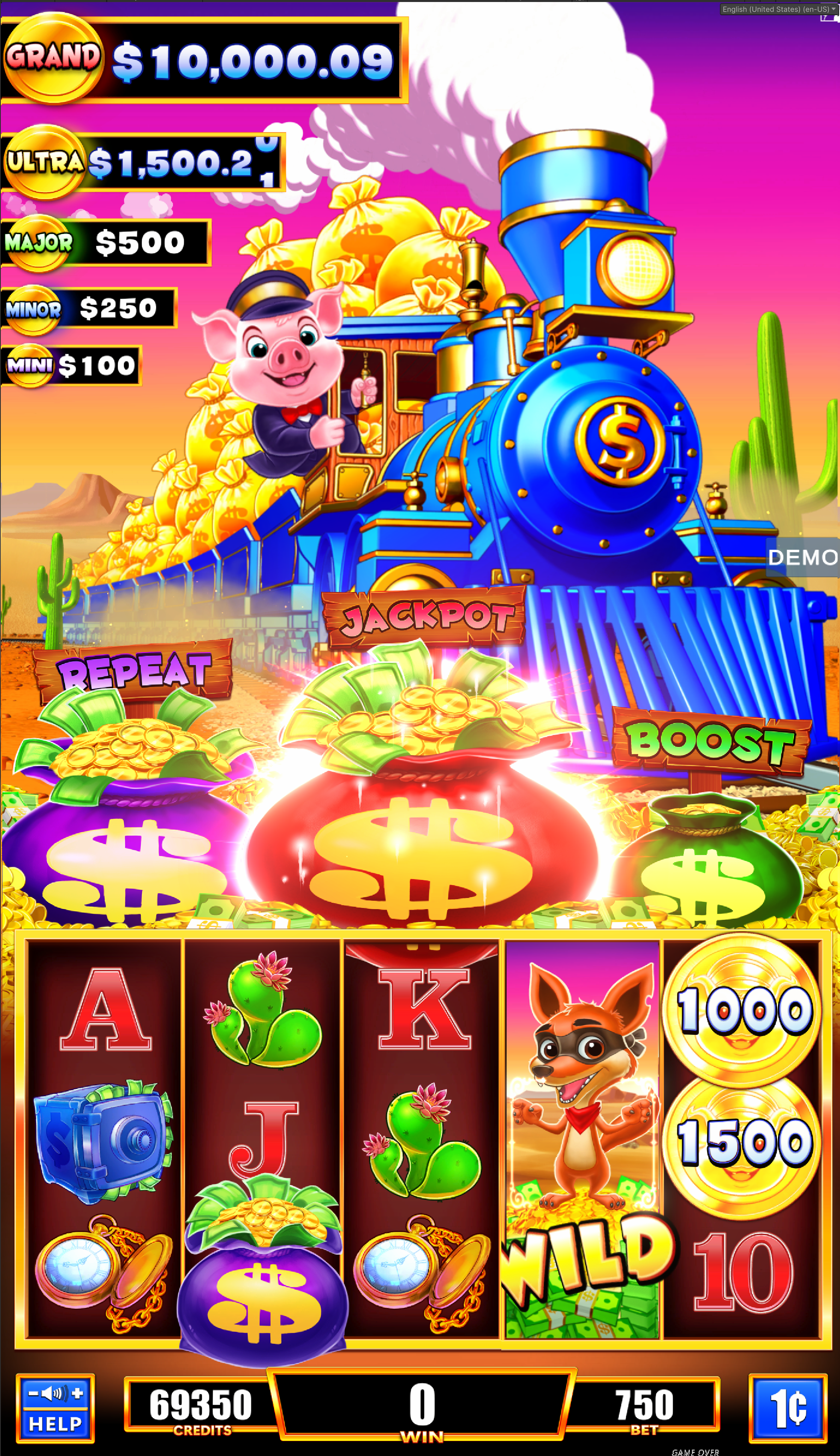
Wild West x Cute started feeling really good.
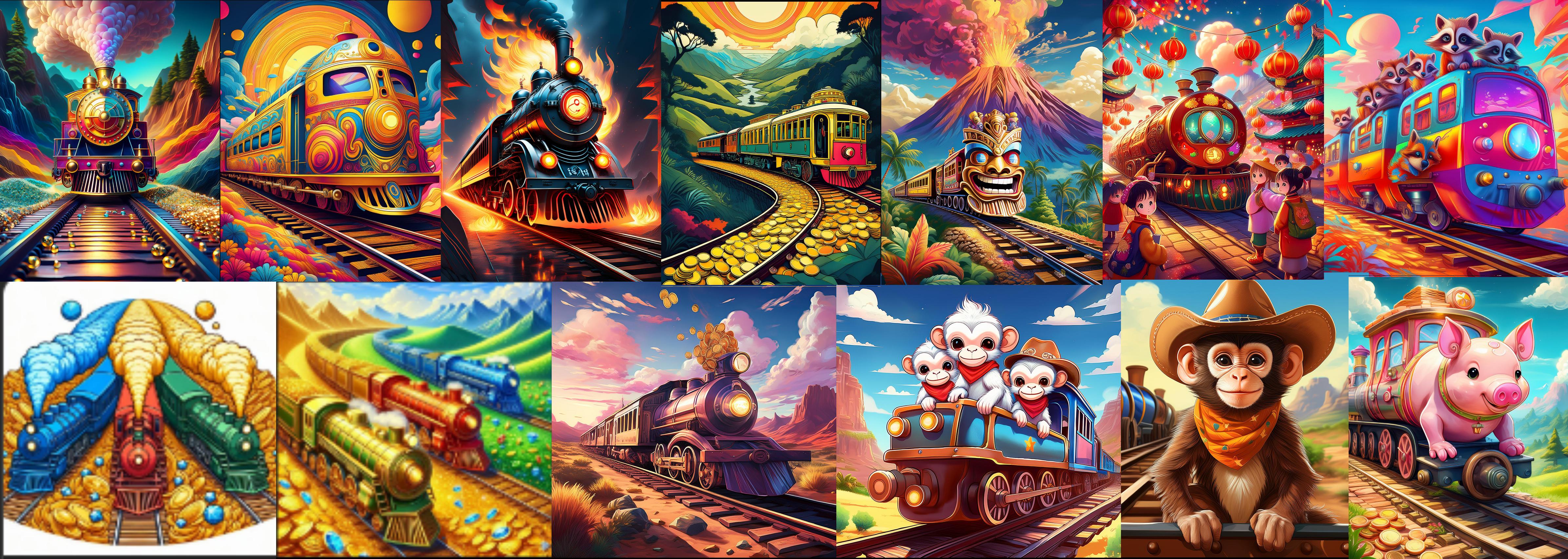
My AD hand was pretty heavy at the beginning of Jackpot Express.
But as the direction solidified and the team built momentum, I was able to take my foot off the gas. That is where the game really took off.
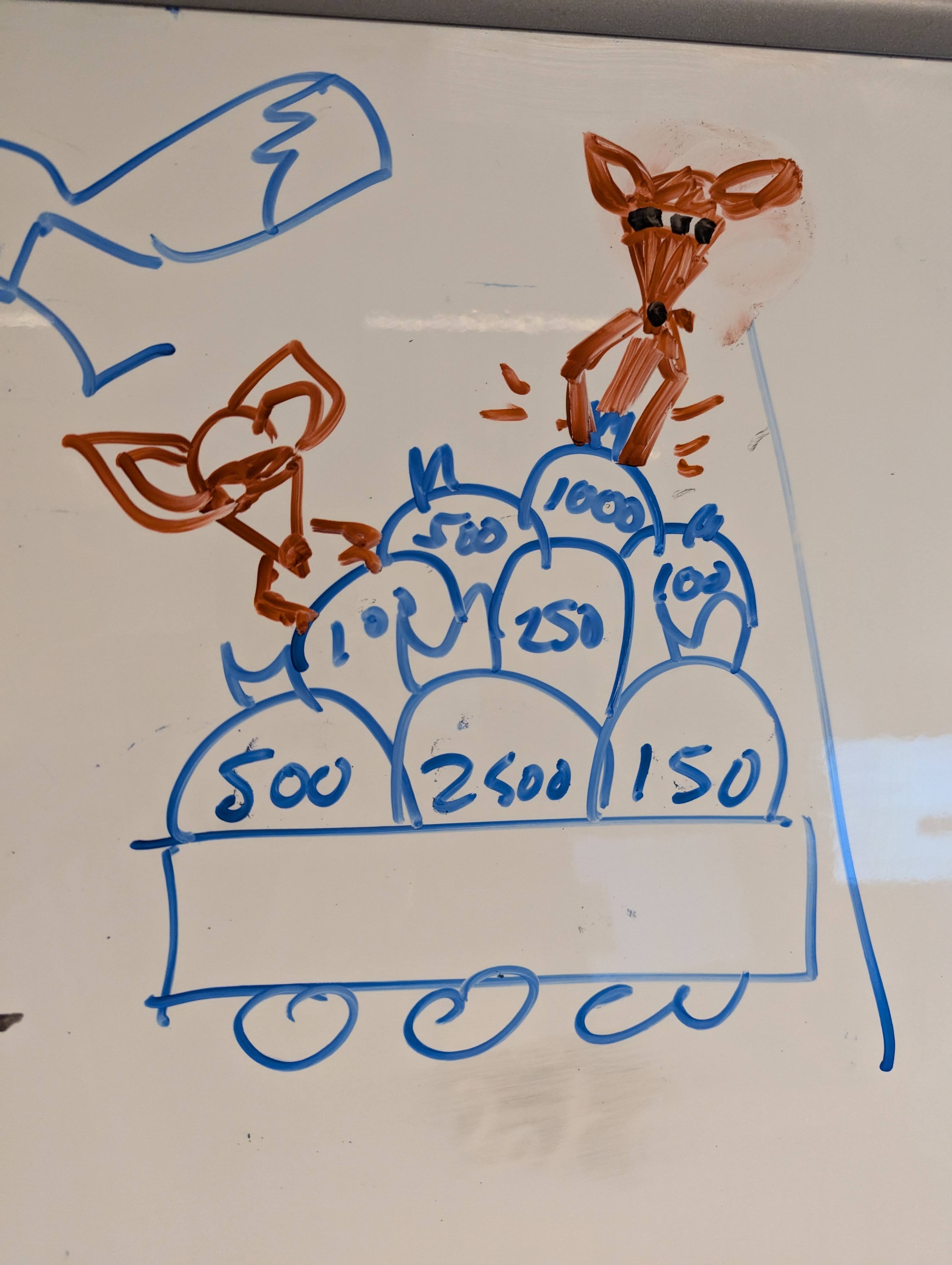
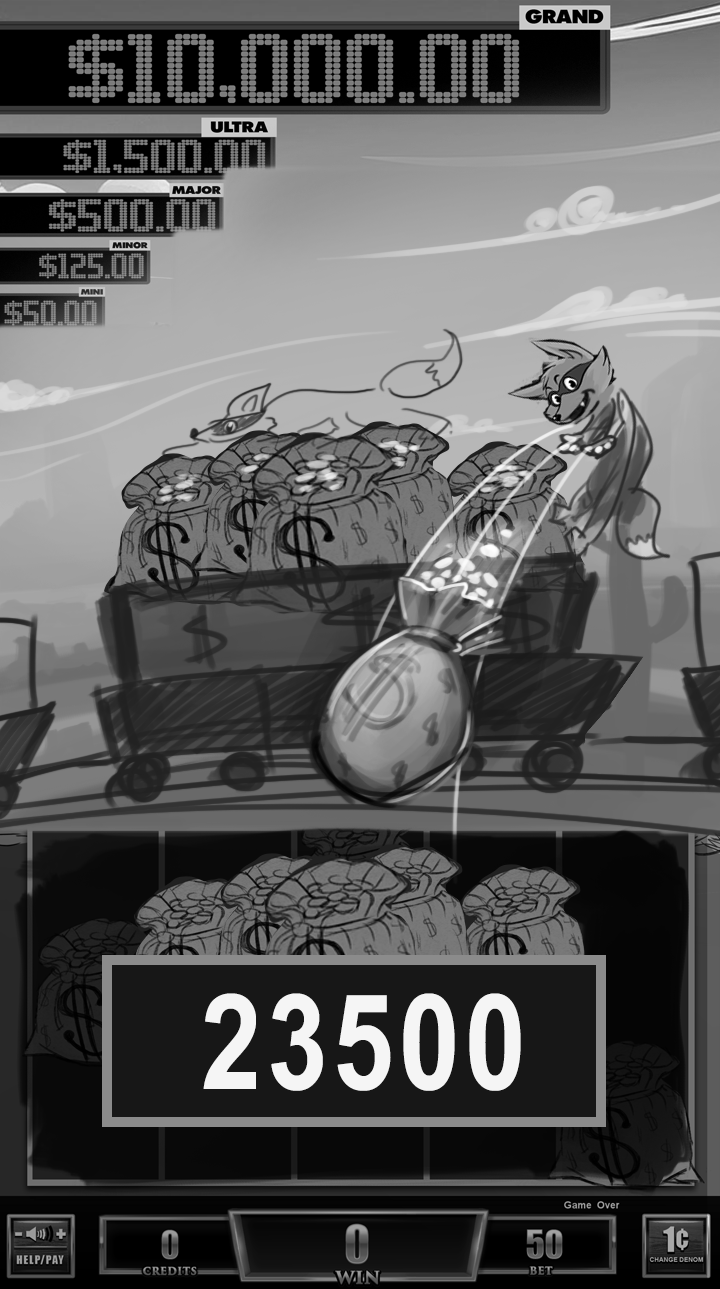
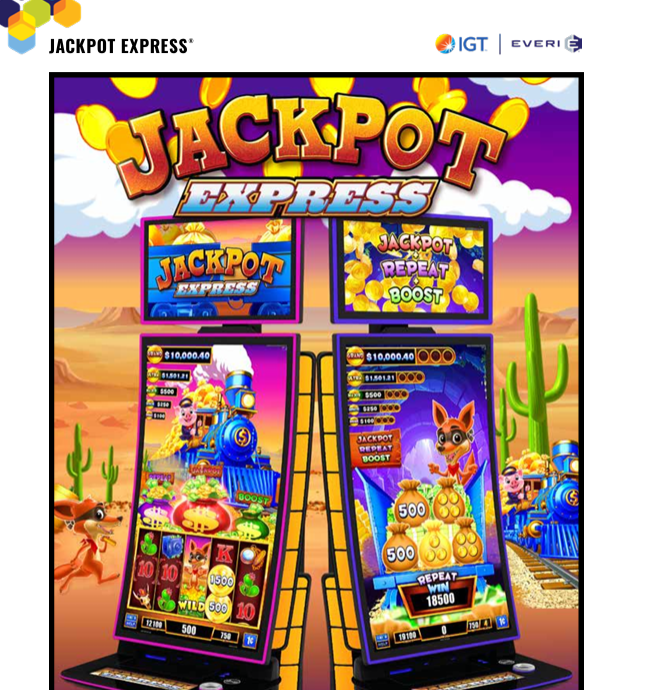
The artists brought a ton of enthusiasm to it. Better direction. New Unity engine. New Tech Artist. New 2D animation tool in Spine – which gave the animators room to make the game far more dynamic than our older workflows allowed. It eventually became one of our strongest examples of what this newer way of building games could look like.
I still reviewed it throughout, nudging the direction a smidge here and there. I still stepped in when something hit a guardrail.
But once you get a team propelling themselves in the right direction, making games becomes smooth & easy, enabling fun to happen.
You just need to keep the tracks ahead of them clear.
Lessons & Takeaways
Don’t destroy good work just because you’re changing direction. On Golden Cat, some of the best assets came from the version we chose not to continue. Keep the good stuff. Fix what actually needs fixing.
Explain the why. “I don’t like it” isn’t useful art direction. The team needs to understand what the work is supposed to be doing, why the current solution isn’t getting there, and what success should look like.
The earlier you catch it, the better. Jackpot Express was a much easier reset because we hadn’t built our production on an unsound foundation yet. These two games, coming right as I took over a new studio, reinforced why I pushed to bring my established preproduction process with me. They became really clear examples of why good planning and early vetting matter so much once production gets moving.
Critique the direction, not the people. A game can drift for a hundred reasons. Unclear goals, incremental decisions, changing stakeholders, production pressure, or simply being too close to something for too long.
That’s one of the things an Art Director is there for. Bring a fresh eye. Figure out what is actually hurting the game’s potential. Keep the good stuff. Be clear about what needs to change and why. With the right supports and guidance in place, you can just let the team do their best work – because ultimately, they’re the ones who make it happen.
Credit / Context
The games shown here were collaborative productions involving artists, animators, Game Design, Technical Art, Engineering, Production and many others.
My role was Art Director – providing visual direction, review and feedback, helping identify areas that needed correction, and supporting the teams as they brought those changes into the finished games. Individual team members have been intentionally left unnamed.
NEXT CASE STUDY / LINK
use image
 PATRICK THOMPSON